As Africa intensifies efforts to curb illicit financial flows and strengthen asset recovery systems, the African Union brought together policymakers, practitioners, and technical experts from across the continent to confront one central question: how to translate legal frameworks into real enforcement outcomes.
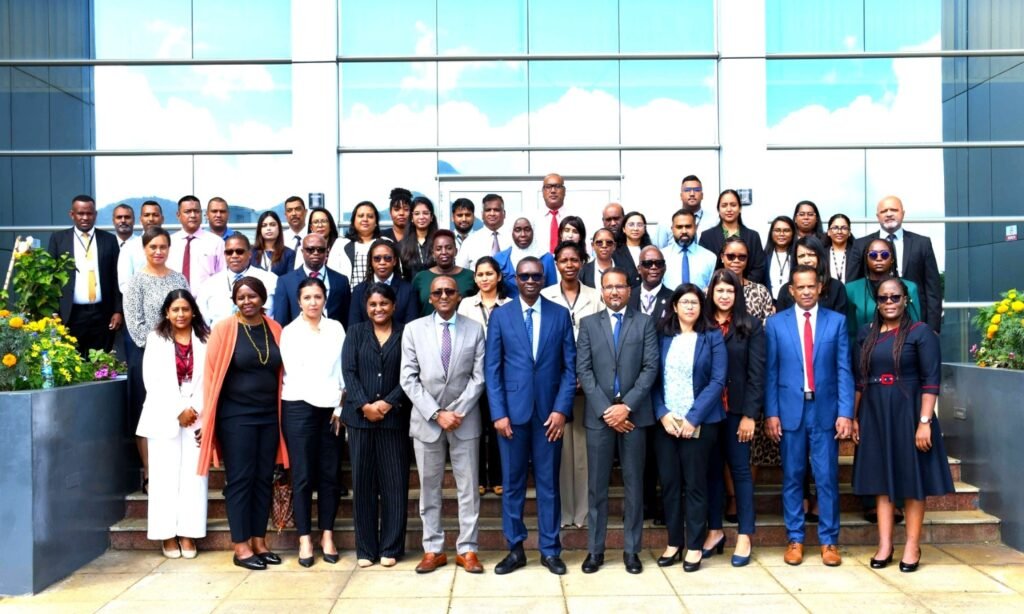
The Regional Training on Asset Recovery and Illicit Financial Flows, held from 20–24 April 2026 in Ebene, Mauritius and was convened by the African Union Commission (AUC) in collaboration with the African Union Advisory Board on Corruption (AUABC) and the Mauritius Financial Crimes Commission (FCC). The training served as a strategic platform for strengthening technical capacity, fostering cross-border cooperation, and advancing practical approaches to tackling illicit financial flows (IFF), illicit asset tracing, confiscation, and management. The programme reflects the African Union’s broader commitment to tackling IFF, which continue to deprive African economies of critical resources for development.
Within this context, the Executive Director of the African Center for Governance, Asset Recovery and Sustainable Development, Juliet Ibekaku-Nwagwu, delivered a technical session that addressed a persistent gap in many jurisdictions; the disconnect between compliance and effectiveness.
Her presentation, titled “Global Frameworks on Money Laundering, Terrorism Financing and Proliferation Financing,” examined the international legal and regulatory architecture underpinning asset recovery and AML/CFT systems. Drawing on key global instruments, including the Vienna Convention (1988), UNTOC (2000), UNCAC (2003), and the International Convention for the Suppression of the Financing of Terrorism (1999), she emphasized the need for countries to align national frameworks with international obligations while strengthening enforcement outcomes.
A central theme of her intervention was the need for urgent shift from formal compliance to measurable effectiveness. She stressed that criminalization alone is insufficient without tangible results in investigation, prosecution, and asset confiscation, highlighting the relevance of FATF Recommendations and regional standards, such as the African Union Convention for Combatting Corruption, and the Common African Position on Asset Recovery (CAPAR) as critical tools for operationalizing national laws.
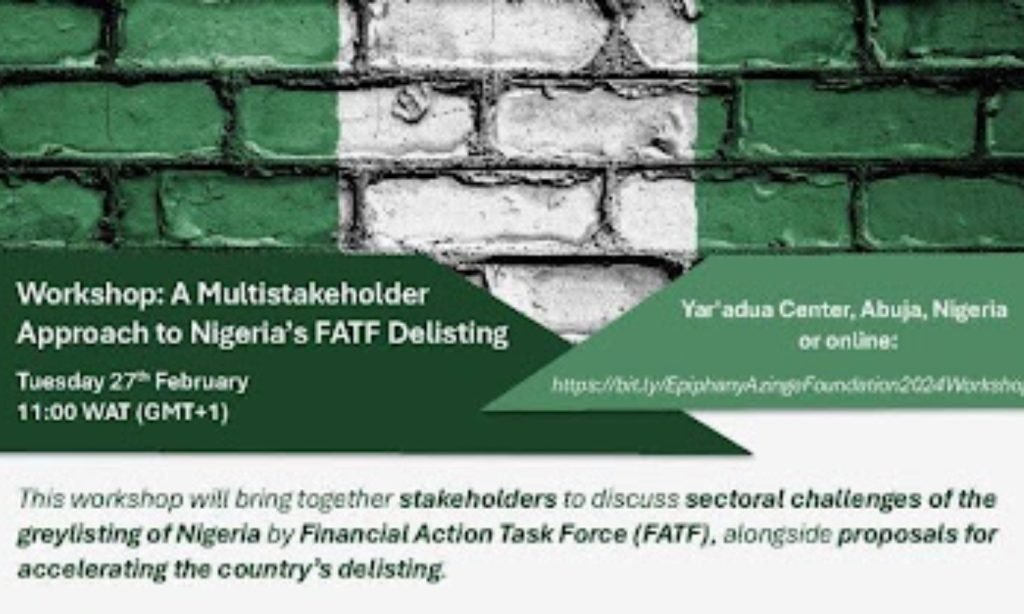
Using Mauritius as a case study, she analyzed the country’s transition from FATF grey-listing to removal, pointing to key reform priorities such as strengthening international cooperation, improving the use of financial intelligence, enhancing confiscation outcomes, and implementing risk-based supervision—particularly within legal and professional sectors.
Addressing emerging threats, Madam Ibekaku-Nwagwu highlighted the growing risks associated with terrorist financing and proliferation financing calling for the integration of identified risks into national AML/CFT strategies and the effective implementation of targeted financial sanctions in line with United Nations Security Council resolutions.
Her contribution reinforced the importance of coordinated continental action and aligns with ongoing African Union efforts to strengthen asset recovery systems, combat illicit financial flows, and enhance governance frameworks across Africa.
In attendance at the regional program were the Chairman of the AU-ABC, Mr. Edem Senanu, Director of Political Affairs, Peace and Security at the AU, Mr. Garba Issaka Abdoui as well as the representative of the Director General of the FCC, Mauritius, Ms. Nandita.