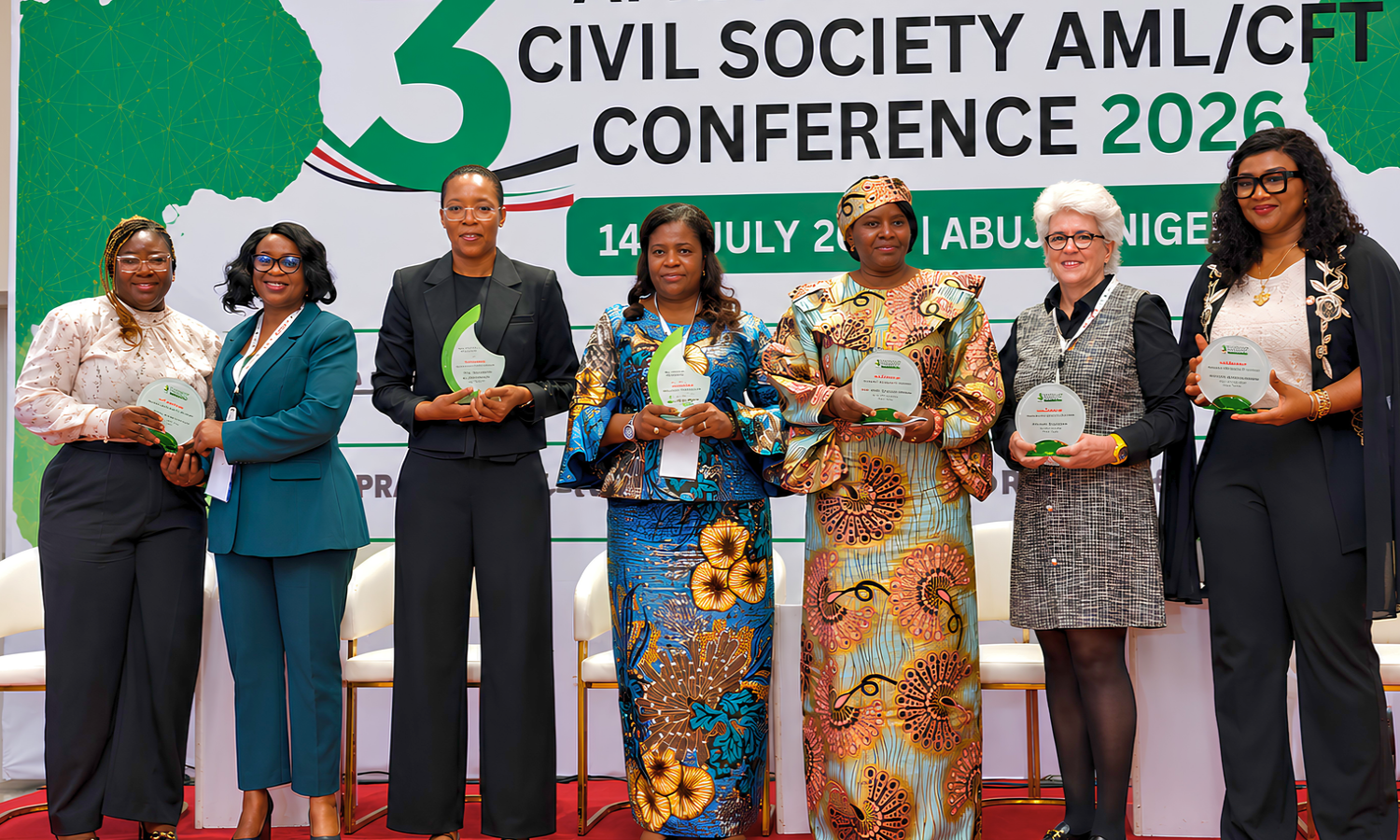
Abuja, Nigeria — The Executive Director of the African Center for Governance, Asset Recovery and Sustainable Development, Juliet Ibekaku-Nwagwu, joined senior women from across Africa’s financial integrity sector for the Women in AML/CFT Africa plenary at the 3rd Africa High-Level Civil Society AML/CFT Conference, held in Abuja from 14 to 17 July 2026.
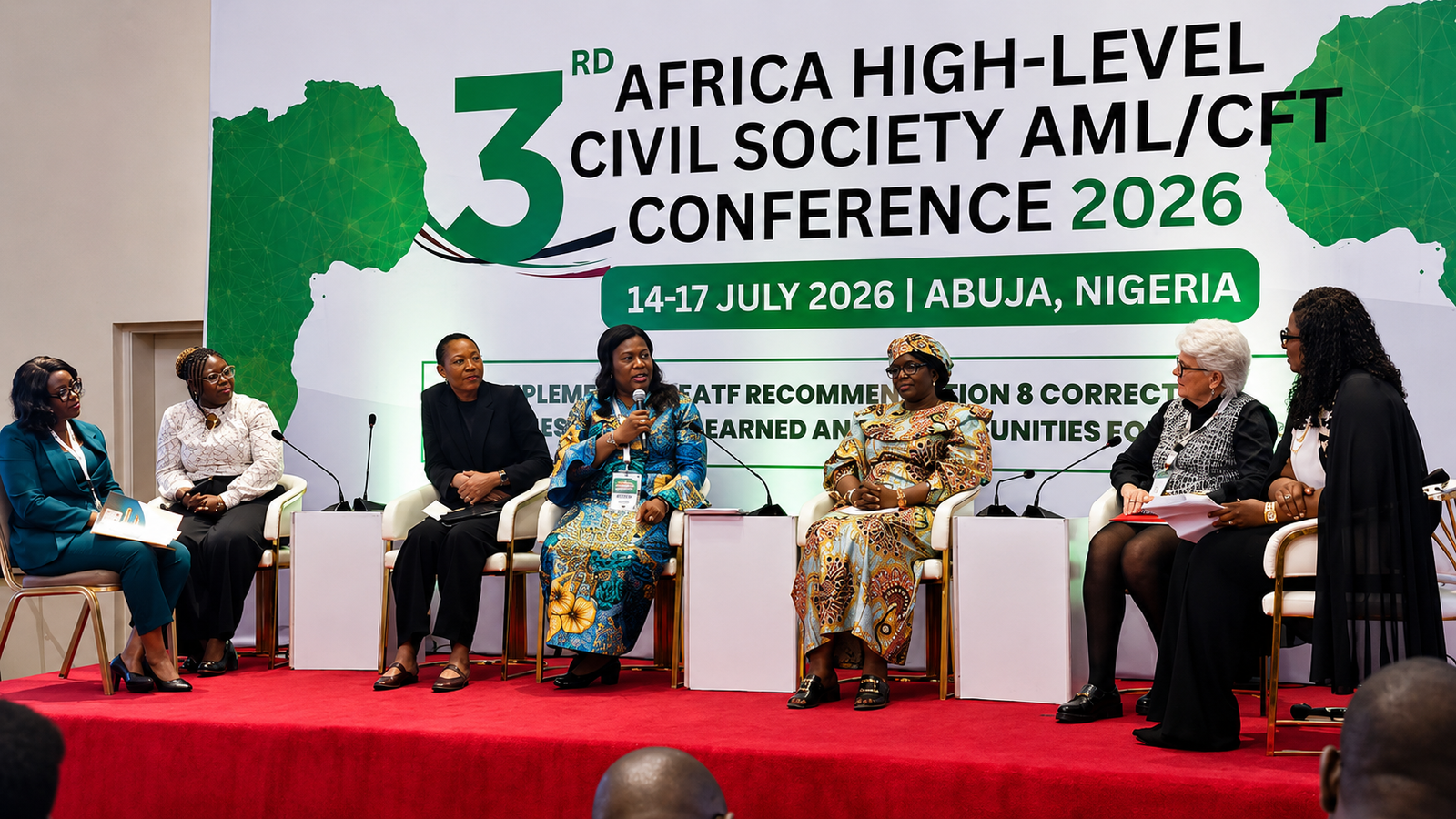
The conference, organised by SPACES FOR CHANGE, the Special Control Unit against Money Laundering and Civic Advisory Hub, brought together more than 250 delegates from 33 countries. Its theme was “Implementing FATF Recommendation 8 Correctly: Practices, Lessons Learned and Opportunities for Reform.”
Moderated by SPACES FOR CHANGE Executive Director Victoria Ibezim-Ohaeri, the women’s plenary explored leadership, professional growth and the opportunities available to women in financial intelligence, compliance, law enforcement and related fields. Panellists shared experiences from their careers and reflected on what institutions can do to help more women develop technical expertise and move into decision-making roles.
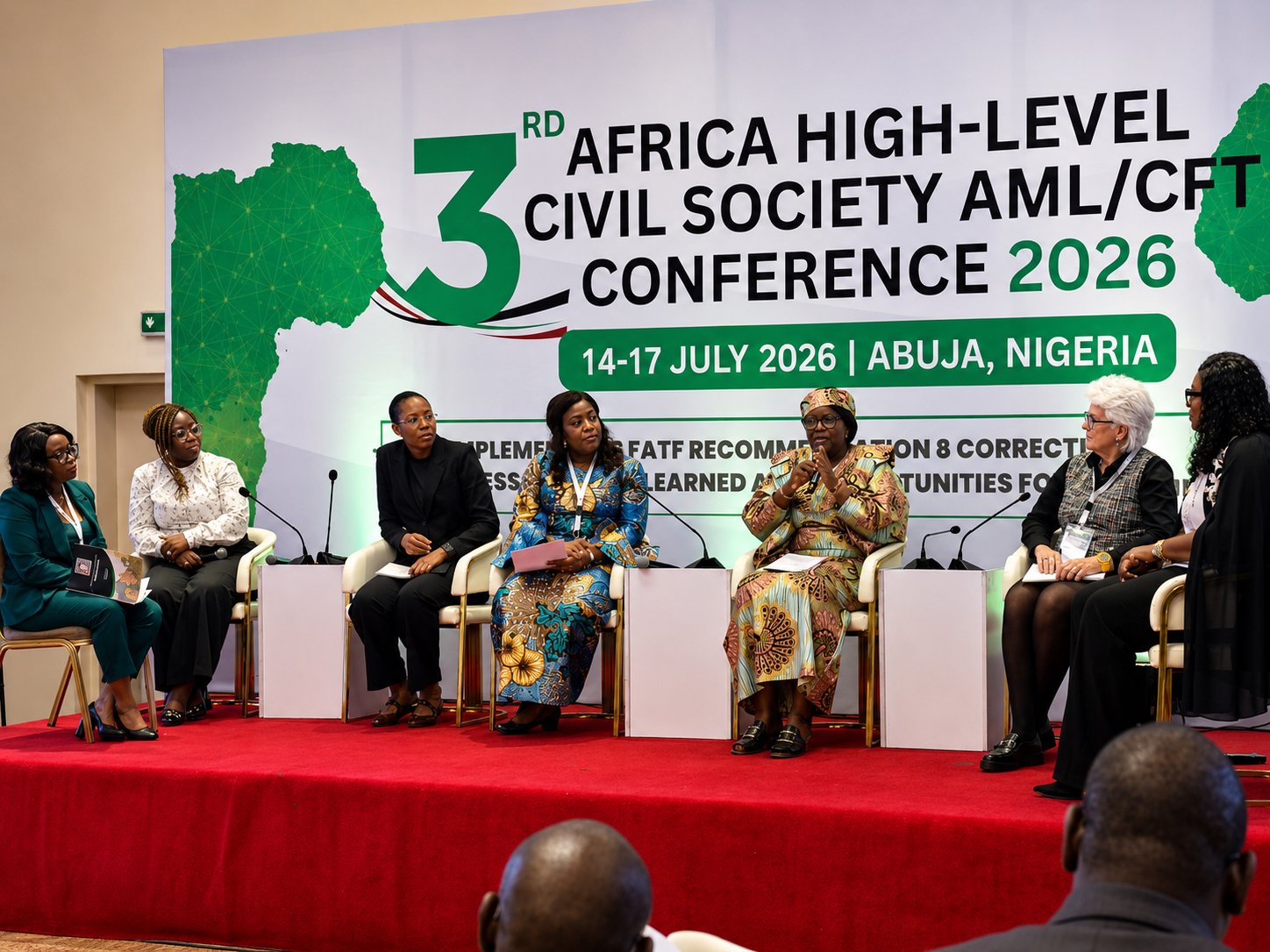
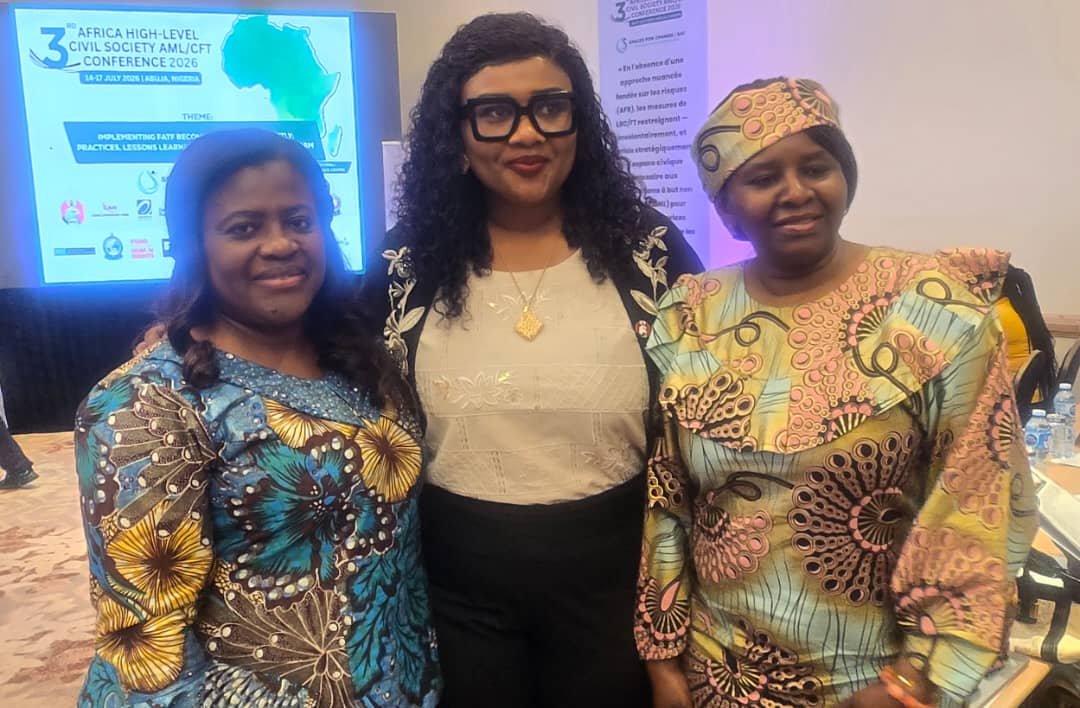
Drawing on her experience in financial intelligence, anti-corruption and asset recovery, Madam Juliet discussed the stereotypes that can limit women’s career progression. She stressed professional discipline, courage and a commitment to the public interest as essential qualities for those working to tackle financial crime. In a reflection after the event, she thanked the organisers for the opportunity to speak about women’s journeys in the field and reconnect with colleagues from across the region.
The plenary also featured perspectives from representatives associated with the Nigerian Financial Intelligence Unit, GIABA, the Eastern and Southern Africa Anti-Money Laundering Group, the Central Bank of Nigeria and the International Federation of Compliance Associations. Their discussion ranged from continuous professional development and institutional collaboration to emerging areas of work, including virtual assets and cybercrime.
Across the wider conference, participants examined how African countries can address terrorist-financing risks in the nonprofit sector through proportionate, risk-based measures while protecting legitimate civic and humanitarian work. Sessions also considered financial inclusion for nonprofit organisations, lessons from grey-listing experiences and cooperation between regulators and civil society.
For the African Center, the plenary reinforced the value of building a stronger pipeline of women with the skills, support and opportunities to shape Africa’s response to financial crime.